How to get the world’s best sire power
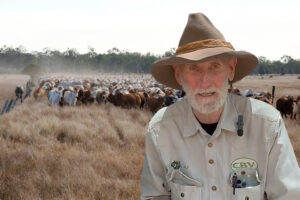
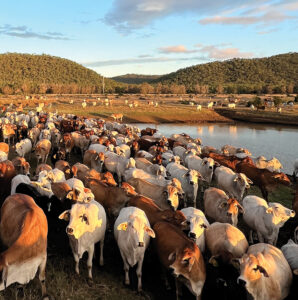
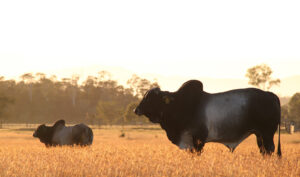
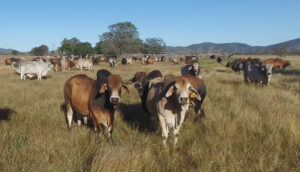
SIMPLE abundance, fuelled by honest cows and 215 elite sires. That's part of the highly successful breeding philosophy behind CBV Brahmans, Belah Valley, Marlborough developed by genetics management over 45 years.
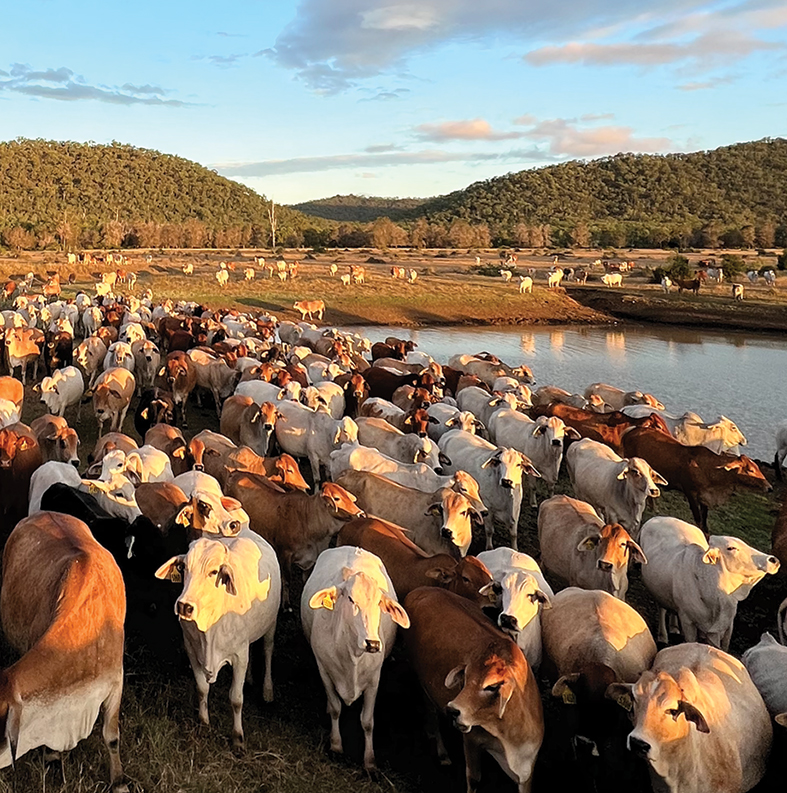
The business has broad collaboration with, and development of, associated herds and research bodies such as the CSIRO, University of Queensland, Qld Alliance for Agriculture and Food Innovation (QAAFI), Qld Department of Primary Industries, Beef CRC I, II and III, Australian Research Council and Repronomics.
For CBV Brahmans, there are no shortcuts or quick solutions.
"It is more a matter of doing lots of small things well, relentlessly," CBV Brahmans founder Alf Collins said. "We're in this for the long haul.
“Genetic and economic progress is always driven by ‘sire power’ underpinned by tight herd management. “Genetics without management are useless; combining the two through sire selection is incredibly effective in net economic analysis.
Mr Collins put it down to an equation: sire power = speed of change = real commitment.
“None are perfect; most bulls have 4 generations of mothers data - dam one, dam two, dam three, dam four, at rapid reproduction reported at selection and sale day,” he said.
Only highly adapted cattle can, and do reproduce on time, every time. Reproduction is the major arbiter of true adaptation and profit. CBV focuses on what it can influence and what it can change - measuring by meaningful metrics. CBV analyses totally on low-cost grazing.
"In genetic and genomic terms, the results of tight management have delivered a real game changer," Mr Collins said. "In the tropical world, fertile adapted cattle are by far the best return on capital, based on grass, land and time in good years and bad. "Managing well into the future is dependent on our willingness to accept our ability to adapt."
Mr Collins said land is simply very expensive, per animal unit or per hectare. "We have heard this mantra so many times, yet there's no doubt that it is possible and practical to grow a cattle business, amongst all challenges," he said. "CBV hunts genetically for the factors that make a difference to growing these businesses."Developing truly proven and adapted cattle for the difficult jobs ahead is a noble task; finding economic marathon runners in a very real sense.
"Impossible is only for the unwilling"
Breed within a breed
CBV cattle are regarded as "the breed within a breed", due to:
- Being totally analysed;
- Being proven beyond all reasonable doubt;
- Being proven by production and practical management;
- Having low operational costs – mostly land cost, per animal unit;
- Having high-speed growth;
- Having rapid recovery from tough seasons;
- Having simple solutions to a complex of biology, endocrinology and production;
- Being in its 45th year of focusing on management and genetic progress;
- Operating always at low cost - always.
The CBV program is deeply rooted in the values of adaptation, reproduction and epigenetics. These are values of deep meaning. It is focused, for a lifetime it seems, with an unshaken faith in the role of "Brahmans by analysis" and fuelled by a broad-ranging experimental perspective.
CBV Brahmans is aided by collaboration with science, experimentation and cooperation – yet challenged by the adversity of economic, biologic, geographic and bureaucratic impacts.
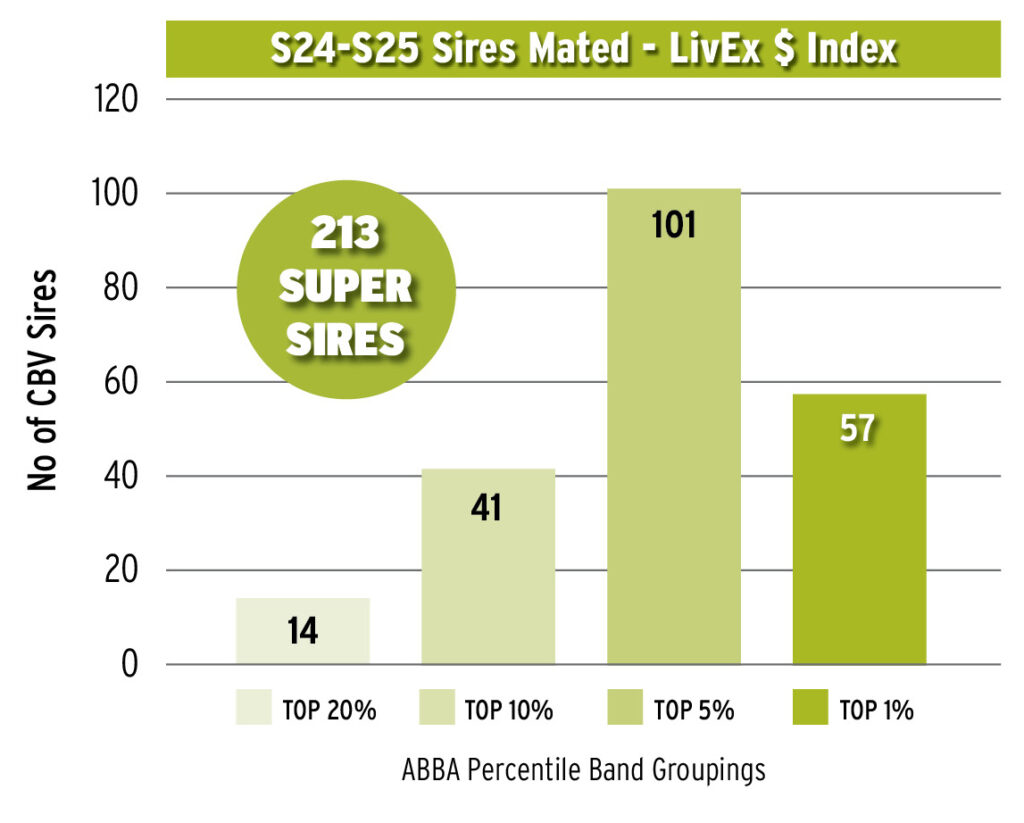
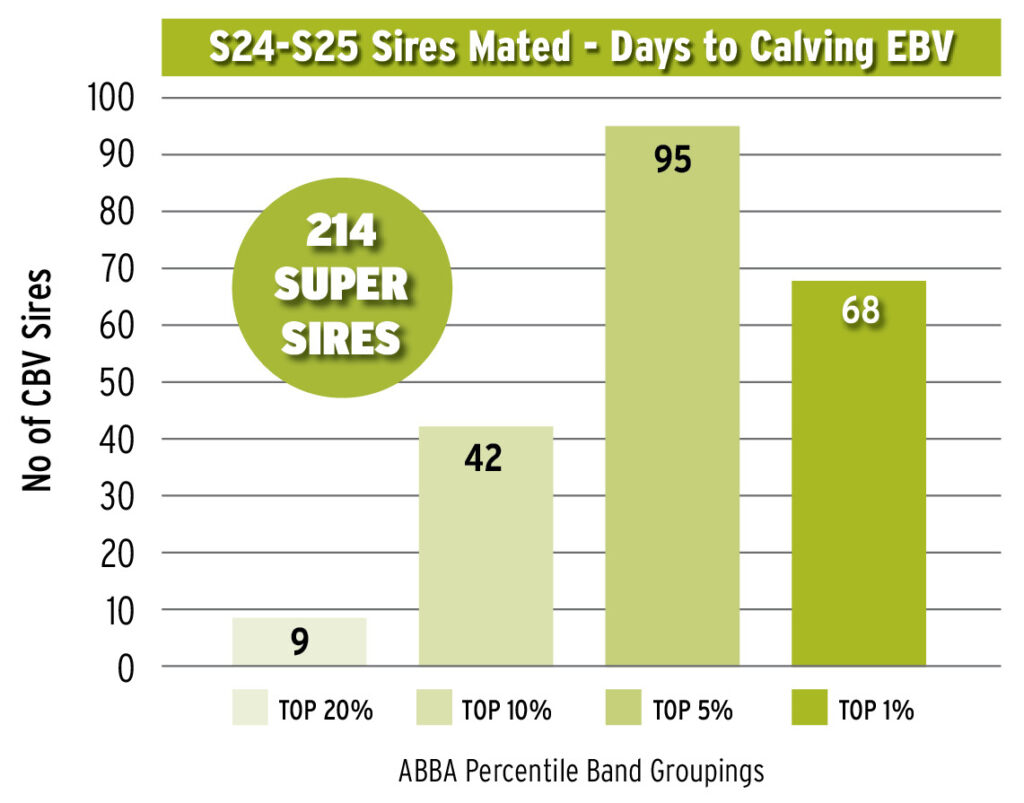
The simple fact behind CBV’s success (more than 200 current super sires) is due to a rich history of hands-on data collection. Leading geneticists agree that without robust data collection, current reliance on genomics will turn to dust in five years.
CBV and cooperator herds have carried most of the load thus far. Still unshaken, the "CBV Brahman breed" is pure substance with no shadows; simply economic, practical, purpose-driven, and genetic progress based on good data and low-cost management.
The revelation of epigenetics
Epigenetics is the expression of competent genes, triggered by selection under duress.
This progressive thinking has been central to CBV's continuous development. Full of meaning and purpose, this progress is worth understanding. CBV has the most focused genetic program in the Brahman world for profit and competence. This is evidenced by 200 ‘supersires’; not one or two or even 20 sires.
Uterine survival
CBV has also focused on uterine survival and rapid re-breeding regardless of environment.
Between 45 per cent to 60pc of conceptions are lost "in utero" during the first 21 days.
Mr Collins said he believes this is genetic. Since 1991, CBV has worked on this genetically, to multiply the fastest rebreeding rates on limited grazing space (low cost) with amazing "in-field" results.
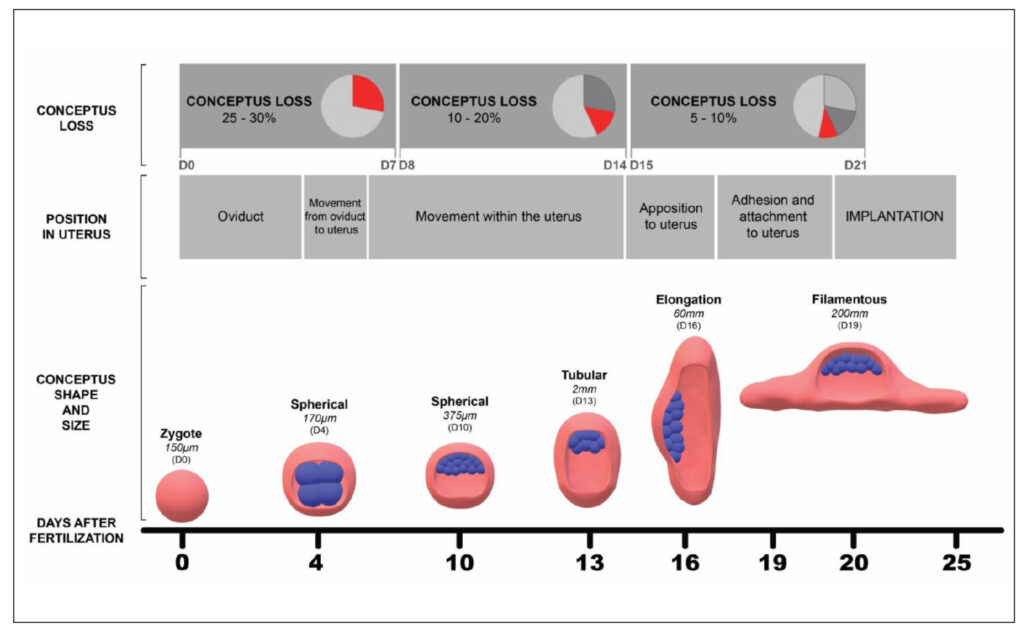
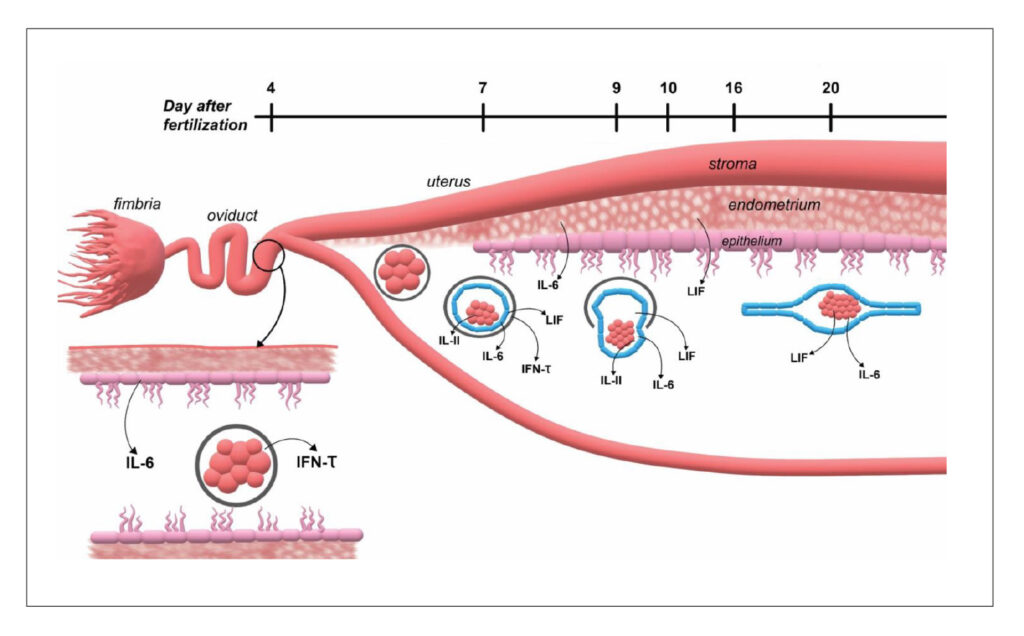
reject the embryo, and maternal recognition of pregnancy is achieved. A deeper understanding of this communication would lead to the identification and selection of females that have a uterine environment that supports the developing embryo.
Authors: Prof Giuseppe Campanile, Dr Antonio Limone, Prof Pietro Baruselli Prof Emer Michael D’Occhio
Graphic: Dr Fabio de Moraes Francisco. Theriogenology vol 167, p 1-12, 2021
In 1991, I asked Professor Jim Kinder, with whom we were collaborating at CBV, and Professor Michael D'Occhio at CSIRO on another reproduction project, a question –
Mr Collins said. "We are favouring the sons of cows with superfast rebreeding rates. Are we wasting our time - or is this a legitimate goal?”
Kinder and D'Occhio got involved in intense scientific conversation. Professor Kinder said “Well, no one looks at bovines this way Alf, but it's highly heritable in hogs - go for it."